Choosing the Right Financial Scoreboard
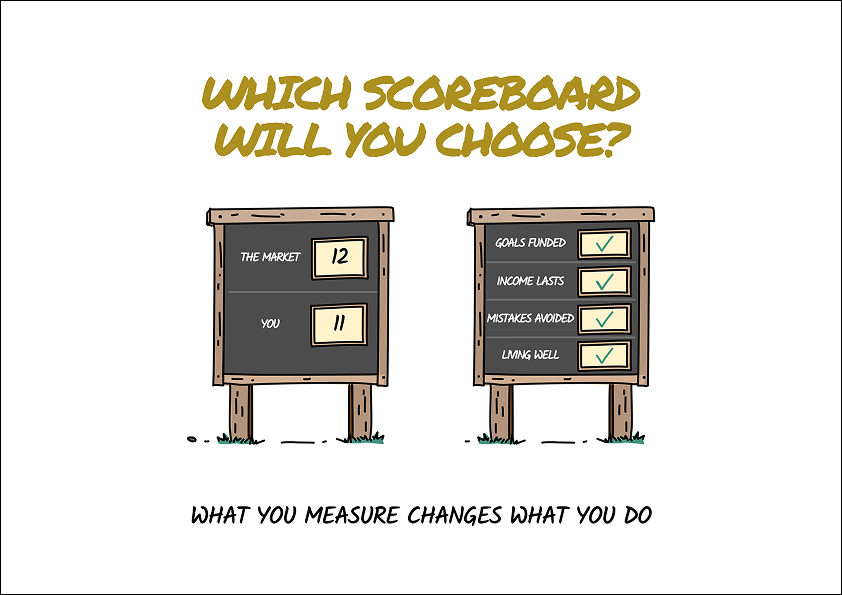
Most of us naturally look for ways to measure whether we're making progress with our money. But the numbers we focus on aren't always the ones that matter most. Before comparing your portfolio to the market or someone else's success, it's worth asking whether you're keeping score the right way.
One of the best questions you can ask yourself is: "How am I actually doing?"

Whether it's your health, career or finances, taking time to reflect helps you make better decisions and stay on track.
The same applies to your financial life.
At every review meeting, we help our clients answer that exact question. But over the years, we've noticed that many people measure their progress against the wrong scoreboards.
Usually, it comes down to two things:
- How the share market performed.
- How well someone else appears to be doing.
While both are easy comparisons to make, neither tells you whether you're actually making progress towards your own goals.
Why Market Returns Don't Tell the Whole Story
It's natural to look at headlines about the ASX, property prices or investment returns and wonder whether your own portfolio is keeping up.
The problem is that the market doesn't have your life.
It doesn't have children heading to university, retirement plans, tax considerations, business interests or upcoming expenses. It doesn't need emergency savings or income during market downturns.
Your financial plan does.
That's why comparing your portfolio to a market index rarely gives you a meaningful answer.
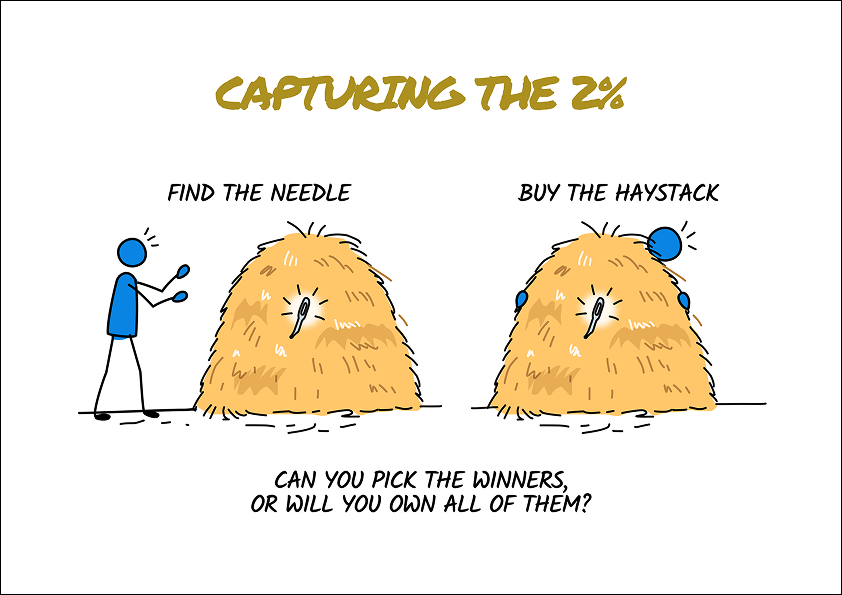
A diversified portfolio is designed to balance risk over time. In any given year, there will almost always be one investment, sector or asset class that performs better.
The challenge is knowing which one that will be before it happens.
Successful investing isn't about owning last year's best performer. It's about building a strategy that supports your long-term goals through different market conditions.
Why Comparing Yourself to Others Can Be Misleading
The other scoreboard many people use is someone else's success story.
We've all heard them.
A friend made a fortune on one investment.
A colleague doubled their money.
Someone bought the "perfect" property at exactly the right time.
What those stories often leave out is the level of risk that was taken.
Maybe they borrowed heavily.
Maybe they invested everything into one asset.
Maybe they simply got lucky.
We also rarely hear about the investments that didn't work.
Comparing your financial progress to someone else's highlights only a small part of the picture, without any of the context.
A Better Way to Measure Financial Progress
Rather than asking whether you've beaten the market or outperformed someone else, we believe there are more valuable questions to ask.
1. Am I still on track to achieve my goals?
Your financial plan should be moving you closer to the life you want, whether that's retiring comfortably, supporting your family or creating more freedom.
2. Am I saving enough?
Investment returns matter, but consistent saving is still one of the biggest drivers of long-term wealth.
3. Is my plan sustainable?
If you're already drawing an income from your investments, is your strategy designed to support you for the years ahead?
4. Have I avoided costly mistakes?
Sometimes the biggest financial wins don't come from chasing higher returns.
They come from avoiding poor decisions made during periods of uncertainty or market volatility.
5. Is my money helping me live the life I actually want?
This is often the most overlooked question.
It's possible to build wealth while forgetting why you're building it in the first place.
Looking back over the past year and asking whether your spending aligned with your priorities can be just as important as reviewing your investment performance.
Focus on What You Can Control
Market returns are outside your control.
Other people's financial decisions are outside your control.
Your savings habits, spending choices, investment discipline and long-term strategy are not.
They're the things that genuinely influence your financial future.
When you focus on the right scorecard, your decisions become clearer, your confidence improves and you're less likely to react emotionally to short-term events.
How We Measure Success
Every review meeting we have with our clients centres around one simple question:
"Are you still on track?"
Of course, we're happy to discuss investment performance and market movements.
But the conversation doesn't stop there.
We're far more interested in whether your financial plan is still helping you achieve what matters most to you, and whether there are opportunities to improve it as your life changes.
Because ultimately, financial success isn't about outperforming everyone else.
It's about building a plan that gives you confidence today and supports the life you want tomorrow.
Important Information
The value of investments and any income from them can rise or fall. You may receive back less than you originally invested. Past performance is not a reliable indicator of future performance.
Every investor's circumstances are different. The right strategy will depend on your goals, financial position, time horizon and attitude towards risk. If you'd like to discuss how these principles apply to your own situation, please speak with our team.
*Main image from HUM