Financial Planning Is a Process, Not a One-Time Event
Many people think financial advice is something you seek when life throws you a major decision. In reality, the biggest value often comes long after that first meeting. Financial planning isn't about solving one problem. It's about having a plan that grows and evolves alongside your life.

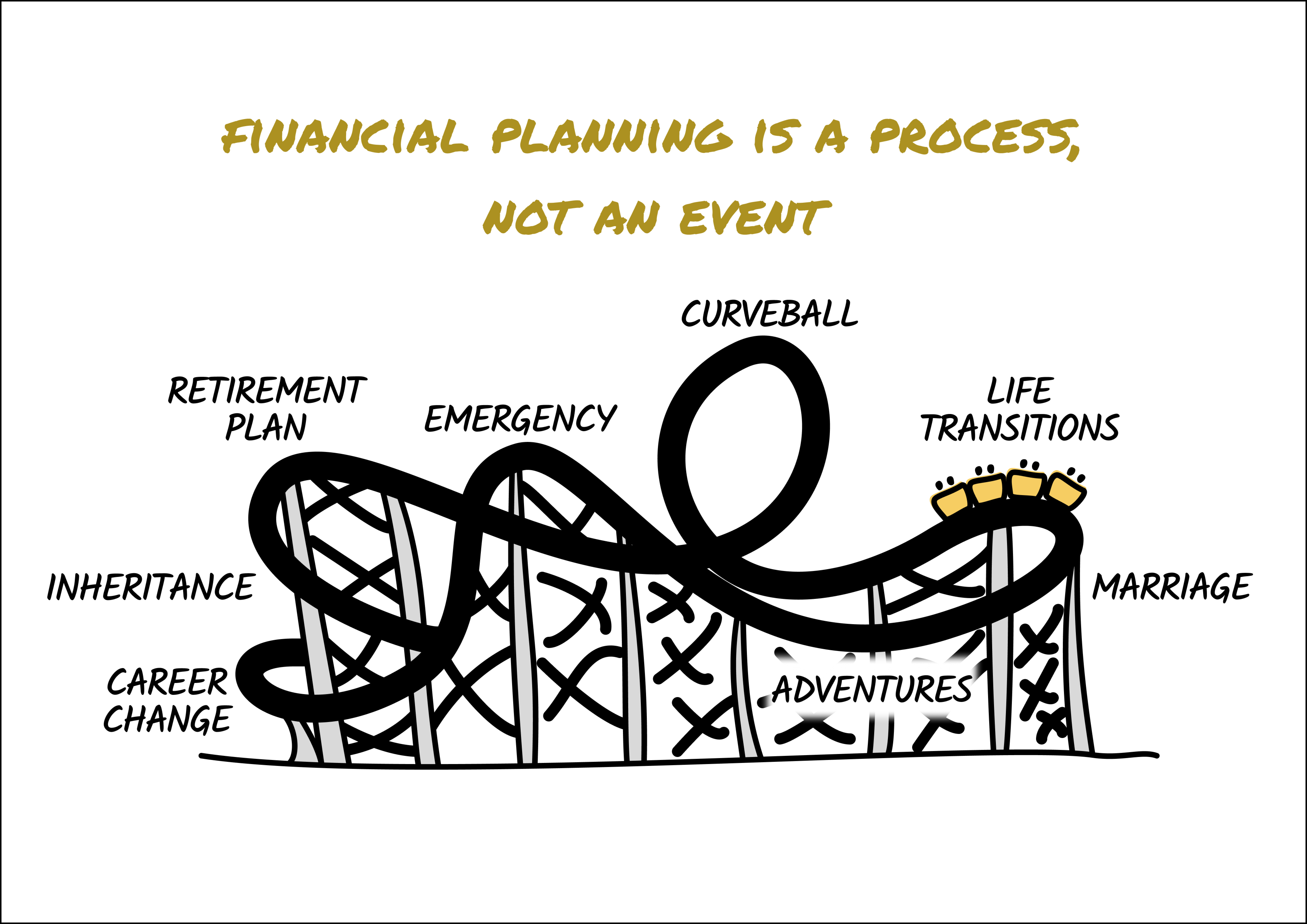
For many people, the decision to speak with a financial adviser is triggered by a significant life event.
It might be selling a property.
Changing careers.
Receiving an inheritance.
Starting a family.
Planning for retirement.
Or simply reaching a point where you're asking yourself, "Am I making the most of what I have?"
These moments naturally encourage us to seek professional guidance.
But while the first meeting may be prompted by one event, good financial planning rarely ends there.
The First Meeting Is Just the Beginning
Many people expect financial advice to work like other professional services.
You ask a question.
You receive an answer.
You move on.
Financial planning is different.
Before recommendations can even be made, your adviser needs to understand the bigger picture.
Your income.
Your goals.
Your family.
Your investments.
Your debts.
Your future plans.
As that picture becomes clearer, opportunities often begin to emerge that weren't obvious at the beginning.
Sometimes it's improving cash flow.
Sometimes it's protecting your family.
Sometimes it's reducing unnecessary tax or making better use of your superannuation.
Often, what starts as one question leads to a much broader conversation about building a stronger financial future.
Life Doesn't Stand Still
Even after a financial plan is in place, life continues to change.
Careers evolve.
Children grow up.
Businesses expand.
Parents get older.
Markets move.
Tax legislation changes.
New opportunities appear.
Goals that once seemed important can shift completely over time.
That's why financial planning shouldn't be viewed as something you complete.
It should be viewed as something you continue.
Small Adjustments Can Make a Big Difference
One of the biggest benefits of ongoing advice is that it allows small changes to be made before they become big problems.
Rather than waiting until something feels urgent, regular reviews give you the opportunity to make thoughtful adjustments along the way.
Sometimes that means increasing your savings.
Sometimes it means updating your investment strategy.
Other times it simply means confirming that you're still on track and giving you confidence to keep doing what you're already doing.
Not every review results in major changes.
In fact, some of the most valuable meetings end with exactly the same plan because it reminds you why you chose it in the first place.
Confidence Comes From Having a Plan
One of the greatest benefits of financial planning isn't just growing wealth.
It's reducing uncertainty.
Knowing where you're heading.
Understanding what your money is doing.
Feeling confident that someone is helping you navigate important decisions as life changes.
That peace of mind is difficult to measure, but for many families it's one of the most valuable parts of the entire relationship.
Building a Long-Term Partnership
The best financial advice isn't about providing a once-off solution.
It's about building a relationship that supports you through every stage of life.
Your adviser becomes someone who understands where you've been, where you're trying to go and the challenges you may face along the way.
As your circumstances evolve, so does your financial plan.
The goal isn't to constantly reinvent your strategy.
It's to make sure it continues to reflect your life.
Financial Planning Is a Journey
The most successful financial plans aren't created in a single meeting.
They're refined over years through thoughtful conversations, regular reviews and steady progress.
While major life events may encourage you to seek advice, the real value comes from having someone beside you long after those events have passed.
Because financial planning isn't about finding one perfect answer.
It's about making better decisions, year after year, as your life continues to change.
Important Information
The value of investments and any income from them can rise or fall. You may receive back less than you originally invested. Past performance is not a reliable indicator of future performance.
Every investor's circumstances are different. The right strategy will depend on your goals, financial position, time horizon and attitude towards risk. If you'd like to discuss how these principles apply to your own situation, please speak with our team.
*Main image from HUM