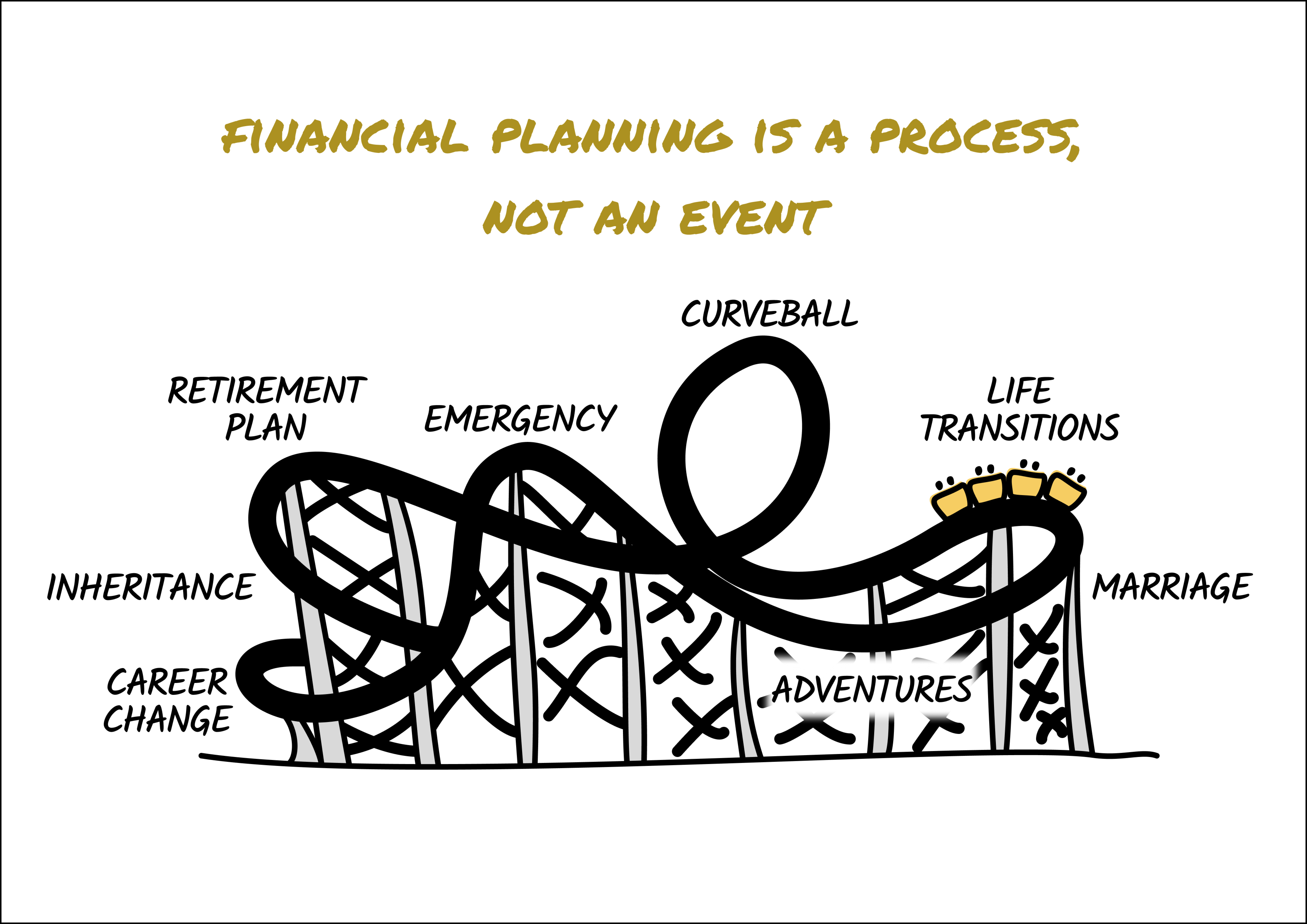
The Messy Middle: Why Staying the Course Matters Most
For many people, the hardest part of building wealth isn't getting started. It's staying consistent through the busiest years of life. When careers, families and everyday responsibilities compete for your attention, sticking to your financial plan can become the biggest challenge of all.

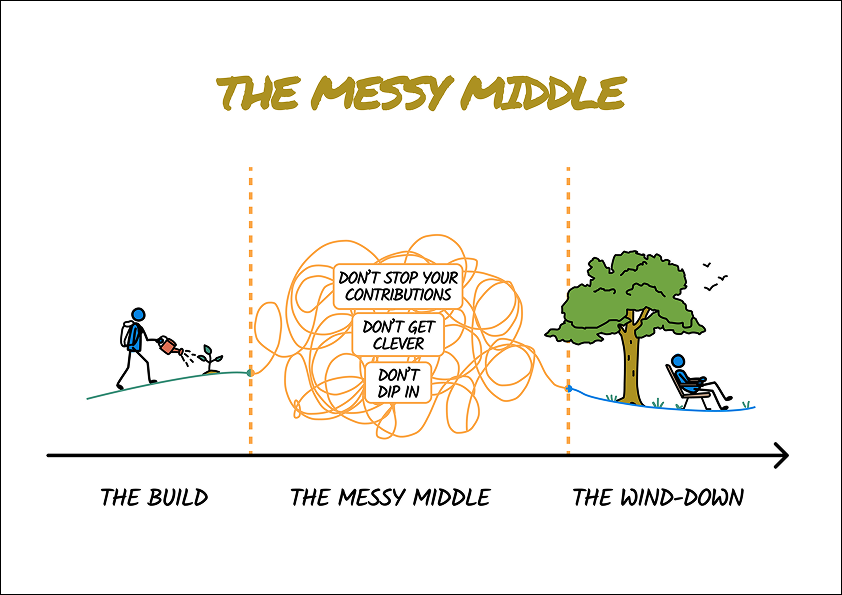
Most financial journeys follow a similar pattern.
There's the early stage, where you're establishing your career, building savings and putting good financial habits in place.
Then there's retirement, where your focus shifts from growing wealth to enjoying it.
In between sits what we like to call the messy middle.
It's the stage where life feels full, busy and often unpredictable.
When Life Gets Busy
For many families, this is the busiest season they'll ever experience.
Careers are demanding.
Children become more expensive as they grow.
Mortgages, school fees, holidays, ageing parents and unexpected expenses all compete for your attention.
At the same time, there's often very little spare capacity to think about long-term financial decisions.
When life feels overwhelming, it's easy for financial planning to slip down the priority list.
The Good News
If you've already built a financial plan, much of the hard work has already been done.
Your investment strategy has been established.
Your savings plan is in place.
Your long-term goals have been mapped out.
In many cases, your biggest job isn't creating a new strategy.
It's allowing the one you already have to keep working.
The challenge is that this is often the point where people feel tempted to make changes.
Three Common Mistakes We See
Over the years, we've noticed three patterns that regularly interrupt long-term financial progress.
1. Pausing Long-Term Savings
Life happens.
Unexpected costs arise and something has to give.
Often, people decide to temporarily reduce or stop their regular investments with every intention of restarting later.
The problem is that "later" often becomes much longer than expected.
Those missed contributions also miss years of potential long-term growth.
2. Chasing the Next Big Idea
There's always another investment making headlines.
A friend has discovered a new strategy.
Someone at work is talking about an opportunity that sounds too good to ignore.
While it's natural to be curious, constantly changing direction can often do more harm than good.
A well-built financial plan isn't designed to chase trends.
It's designed to keep working regardless of what happens next.
3. Using Long-Term Investments for Short-Term Goals
Whether it's renovating the house, upgrading the car or helping family members, there will always be worthwhile reasons to access long-term investments.
Sometimes those decisions are absolutely appropriate.
Other times, they can unintentionally reduce the wealth you're working so hard to build for the future.
That's why it's important to understand not only what a decision costs today, but what it may cost your future self.
Consistency Often Beats Perfection
Building long-term wealth rarely comes down to making one brilliant financial decision.
More often, it's the result of making lots of sensible decisions consistently over many years.
That means continuing to save when you can.
Remaining invested through changing markets.
Reviewing your plan without constantly reinventing it.
Small, consistent actions repeated over time are often far more powerful than dramatic changes.
Trust the Plan
One of the biggest benefits of having a financial plan is knowing you don't have to react to every headline or every new opportunity.
A good plan is designed to adapt as your life changes while still keeping you focused on your long-term goals.
If you're in the middle of a busy season and questioning whether you should change course, it's worth taking a step back before making any major decisions.
Sometimes the best financial decision isn't doing something new.
It's simply staying the course.
Important Information
The value of investments and any income from them can rise or fall. You may receive back less than you originally invested. Past performance is not a reliable indicator of future performance.
Every investor's circumstances are different. The right strategy will depend on your goals, financial position, time horizon and attitude towards risk. If you'd like to discuss how these principles apply to your own situation, please speak with our team.
*Main image from HUM